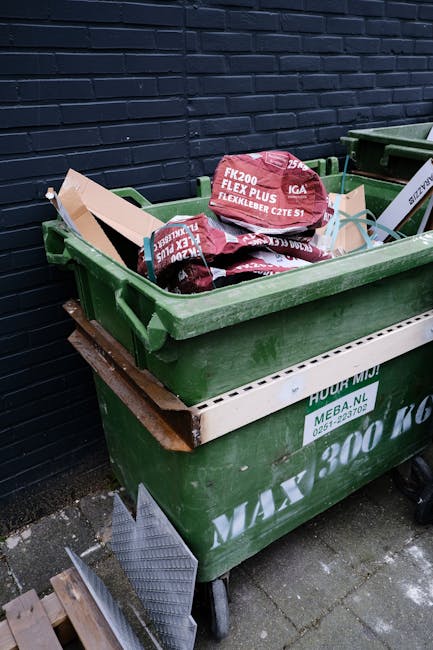
Fulham Road rubbish removal for shops and traders: a practical guide for busy local businesses
If you run a shop, stall, cafe, salon, showroom, or small trading business on or near Fulham Road, rubbish has a habit of appearing at the worst possible moment. One delivery arrives, a refurb starts, a packaging pile grows by the back door, and suddenly the store room feels two sizes too small. Fulham Road rubbish removal for shops and traders is about keeping that flow under control without disrupting trade, customers, or staff.
This guide breaks down how commercial waste clearance works, what options make sense for different businesses, and how to avoid the common headaches that turn a simple collection into a messy week. It is written for real working environments, not ideal ones. Because, let's face it, shops do not get to pause life while the bins fill up.
Table of Contents
- Why Fulham Road rubbish removal for shops and traders matters
- How Fulham Road rubbish removal for shops and traders works
- Key benefits and practical advantages
- Who this is for and when it makes sense
- Step-by-step guidance
- Expert tips for better results
- Common mistakes to avoid
- Tools, resources and recommendations
- Law, compliance, standards and best practice
- Options, methods and comparison table
- Case study or real-world example
- Practical checklist
- Conclusion
- Frequently asked questions
Why Fulham Road rubbish removal for shops and traders matters
Retail and trading spaces have a different waste rhythm from homes. You are dealing with packaging, cardboard, damaged stock, display materials, old fittings, food waste in some cases, and the odd awkward item that no one knows where to put. The back-of-house area can become the real pressure point. If collections are irregular, waste starts spilling into customer-facing space or blocking access routes.
On a busy stretch like Fulham Road, appearances matter too. A tidy frontage helps the whole business feel open, organised, and professional. A pile of flattened boxes, broken shelving, or sack after sack of mixed rubbish can send the wrong message in seconds. People notice more than we think they do.
There is also the practical side. Poor waste handling can attract vermin, create trip hazards, slow deliveries, and make stockroom work miserable. In a small shop, one clogged passageway can throw off the entire day. In a trader's yard or workshop, it can be the difference between a smooth turnaround and a frustrating bottleneck.
For businesses that need a reliable commercial waste route, it often makes sense to compare regular collection with commercial skip hire or a more flexible rubbish removal service, depending on space and the type of waste involved.
Expert summary: the best rubbish solution is not always the biggest one. It is the one that fits your access, waste type, trading hours, and how quickly your rubbish actually builds up.
How Fulham Road rubbish removal for shops and traders works
In simple terms, you book a collection or hire arrangement, separate the waste as needed, and make sure the waste can be safely lifted, loaded, or placed for collection. The right setup depends on how much waste you produce and where it sits on the premises.
For many independent businesses, there are three common approaches:
- Man and van collection for smaller, mixed, or one-off loads.
- Skip hire for heavier or ongoing waste from refits, clear-outs, and routine bulk disposal.
- Wait-and-load when there is little or no room for a skip on-site, or when you need a fast turnaround without leaving waste outside for long.
If your premises have tight access, narrow pavement frontage, or unpredictable deliveries, a service such as wait and load skip hire can be especially useful. The vehicle arrives, the crew loads the waste, and the area is cleared quickly. That can be a real relief when you do not want a skip sitting outside all afternoon, with all the awkwardness that sometimes brings.
Where trade waste is bulky, heavy, or generated during fit-outs and shop improvements, builders skip hire or builders waste removal may also be the better fit, especially if the load includes timber, plasterboard, fixtures, or packaging from construction materials. If the project is larger still, construction waste disposal may suit a more structured programme of collections.
Some traders also use a same-day skip hire option when a clearance has to happen quickly. That can be surprisingly useful after a delivery mishap, a stockroom reshuffle, or an urgent end-of-tenancy clean-out. Not glamorous, but very handy.
Key benefits and practical advantages
The biggest benefit is simple: less clutter, less stress, more usable space. But the real advantage goes deeper than that.
1. Better day-to-day trading
Clean back-of-house space helps staff move quickly, count stock properly, and keep the shop presentable. That is especially noticeable in smaller Fulham Road units where every square metre counts.
2. Faster turnaround during refurb or reset
When you are changing displays, replacing old fixtures, or refreshing the layout, waste can pile up fast. A planned clearance keeps the project moving instead of stalling while someone asks, "Where are we putting all this?"
3. Safer working conditions
Overflowing bins, loose cardboard, broken packaging straps, and stacked waste all increase the risk of trips and blocked access. Keeping waste under control is a basic but powerful safety measure.
4. More professional customer impression
Customers may never see the bagging-up process, but they do see the results. A tidy frontage and clean service area send a stronger message than a half-hidden mound of waste near the entrance.
5. Better sorting and recycling
When waste is managed properly, recyclable materials are easier to separate. That can reduce landfill-heavy disposal and support a more responsible business image. If sustainability matters to your brand, it should matter in the back room too. That bit gets overlooked far too often.
6. Less disruption to trading hours
Well-timed collections can work around opening times, deliveries, and customer flow. For many businesses, that flexibility is worth a lot more than people realise on paper.
For traders handling specialist waste, you may also want to look at waste recycling services so more of the load can be recovered appropriately.
Who this is for and when it makes sense
This kind of rubbish removal is useful for a wide mix of businesses. The common thread is not the sector, but the waste pattern.
- Retail shops clearing cardboard, damaged packaging, broken fixtures, shelving, and display materials.
- Fashion boutiques replacing rails, mirrors, signage, hangers, and shop fittings.
- Cafes and takeaway businesses managing packaging, refurbishment debris, and appliance swaps.
- Florists and grocers dealing with mixed packaging, stock waste, and short-turnaround disposals.
- Independent traders and market-style operators who need quick clearances without long disruption.
- Salon and beauty premises disposing of old chairs, counters, boxes, and refurbishment waste.
- Workshops and specialist traders with scrap, offcuts, and occasional bulky items.
It makes sense when the waste is too much for normal bins, too bulky for casual handling, or too awkward to leave hanging around. If you are asking, "Can we just cope with this for another week?" the answer is usually no, not really.
It also makes sense during:
- seasonal stock changes
- post-renovation clearances
- end-of-lease handovers
- delivery oversupply or damaged stock recovery
- back-room reorganisations
- equipment replacement days
For shop owners with limited space, man and van collections can be a practical alternative to static containers. If waste is mostly bulky and the site is hard to access, grab hire services may also be worth considering.
Step-by-step guidance
Here is the cleanest way to organise a commercial rubbish removal job without making it harder than it needs to be.
- Identify the waste type. Separate cardboard, general rubbish, bulky items, electricals, and anything potentially hazardous. This first step saves time later.
- Estimate the volume. Think in terms of how much floor space the waste occupies and how heavy it is. A few light bags are not the same as dismantled counters and broken racking.
- Check access. Measure door widths, loading access, pavement space, and whether a vehicle can stop safely nearby. Tight access can change the best disposal method.
- Choose the right service. Decide between skip hire, wait-and-load, man and van, or a specialist collection based on the site and the waste.
- Plan timing around trade. Early mornings, after closing, or quieter midweek windows often work best. There is no prize for making the shop floor chaotic at lunchtime.
- Prepare the waste. Flatten cardboard, stack loose items safely, remove sharp protrusions, and keep hazardous items separate if they need special handling.
- Confirm what can be taken. Check accepted materials before the collection. This avoids surprises on the day.
- Load or present the waste clearly. Put it where the team can reach it easily. If the waste is hidden behind stock, the job takes longer than it should.
- Keep records. Retain invoices, transfer notes, or collection details if your business processes require them. Sensible admin, boring but useful.
- Review the setup. After the clearance, ask whether the same volume is likely again and whether a regular arrangement would save hassle.
For an upfront sense of permitted materials, see what can go in a skip. If your project involves unusual waste, it is always better to ask before loading, not after.
Expert tips for better results
In our experience, the smoothest collections are the ones where the business has done a tiny bit of prep. Nothing fancy. Just enough to stop avoidable delays.
- Separate cardboard early. Cardboard swells, catches damp, and takes up far more room if you leave it loose.
- Keep a small "do not mix" zone. Put batteries, fluorescent tubes, chemicals, and other restricted items aside straight away.
- Use the back door properly. If one entrance is always blocked by deliveries, choose a clearance window that avoids it.
- Remove packing tape and loose film where practical. It sounds minor, but it makes loading cleaner and faster.
- Think in layers. Bigger items at the bottom, lighter loose waste on top, so the load stays stable.
- Ask about security for sensitive waste. If paperwork, labels, or customer information are involved, look at confidential shredding.
- Choose the right containment. Where theft or tampering is a concern, an enclosed and lockable skip hire option can be the calmer choice.
One small thing that helps more than people expect: keep an eye on waste from the moment stock comes in. If packaging is cut open and stuffed anywhere, the clutter grows quietly. By Friday it suddenly looks like a storm passed through. Funny how that happens.
Common mistakes to avoid
Most waste problems are not dramatic. They are just avoidable. That is the annoying part.
- Mixing everything together. Mixed waste is usually harder to manage and may limit recycling options.
- Underestimating the volume. The pile always looks smaller when the shop is busy. Then collection day comes, and it is twice the size you imagined.
- Leaving waste too late. Last-minute clear-outs often force you into expensive or inconvenient options.
- Blocking access routes. Fire exits, staff corridors, and delivery paths should never become temporary storage.
- Ignoring special items. Fridges, appliances, mattresses, and certain fixtures need the right disposal route.
- Forgetting permit and placement issues. If a container has to sit on public land, there may be permit considerations. It is worth checking the details in advance.
- Assuming every collection is the same. A shop fit-out, stockroom clean-out, and weekly packaging tidy-up all need different approaches.
For heavier or awkward items, dedicated disposal options like fridge and appliance removal or mattress and sofa disposal may be more appropriate than general mixed waste.
Tools, resources and recommendations
You do not need a warehouse full of equipment to manage waste well. A few sensible tools make all the difference.
- Heavy-duty sacks and bin bags for general waste and lighter items.
- Cardboard cutters or safety knives for breaking down packaging neatly.
- Storage cages or labelled bins for separating waste streams.
- Hand trolleys or sack trucks to move bulky items safely.
- Basic gloves and protective footwear for staff handling waste during clear-downs.
- Clear labels for items that must not be mixed, especially when several staff members are involved.
If you are comparing disposal methods, start with the practical details: access, load size, waste type, and timing. Then look at price. Not the other way round. It is easy to get distracted by the cheapest option and then spend more in delays or rework.
For price planning and to understand how options are usually structured, see pricing and quotes and skip sizes and prices. If your priority is a fast booking process, you can also use book online when ready.
For a broader view of responsible disposal, recycling and sustainability is worth a look, especially if your business wants to improve how it handles recoverable materials.
Law, compliance, standards and best practice
Commercial waste is not something to guess at. Shops and traders in London should treat disposal as part of day-to-day business responsibility, not an afterthought. The exact obligations can vary depending on the waste type and premises, so it is wise to follow current local guidance and work with a provider that understands commercial handling properly.
At a minimum, good practice usually means:
- keeping waste separated where practical
- avoiding dangerous overfilling
- not placing waste where it creates a public hazard
- using appropriate disposal routes for electrical or hazardous items
- keeping records where your business process requires them
If your collection needs involve public pavement space, skip placement, or busy access points, check any permit implications before delivery. For that, the relevant pages on skip hire permits and skip permits are useful starting points.
Insurance and safe handling matter too. A reputable operator should be able to discuss site safety and loading considerations clearly. If you want a better sense of the company's approach, the pages on health and safety policy, insurance and safety, and payment and security help build confidence before booking.
And if you need to understand the company background before choosing a provider, about us is a sensible place to start. That's the sort of trust check people often skip until something goes wrong. Better not to.
Options, methods and comparison table
The best method depends on your premises, waste volume, and how quickly you need the area clear. Here is a simple comparison.
| Method | Best for | Strengths | Things to watch |
|---|---|---|---|
| Rubbish removal / man and van | Smaller mixed loads, one-off clearances, awkward access | Flexible, fast, low footprint | May suit smaller volumes better than large refits |
| Skip hire | Ongoing clear-outs, bulky waste, refits, heavier materials | Good capacity, straightforward for larger jobs | Needs space and may need a permit depending on placement |
| Wait and load | Sites with little space or no room for a skip | No long on-street presence, quick turnaround | Waste must be ready when the vehicle arrives |
| Grab hire | Large, bulky piles, heavier clearances, difficult loading | Efficient for big volumes and awkward access | Needs suitable access for the vehicle and lifting arm |
If your shop has a tiny pavement area, limited storage, and a constant stream of customers, wait-and-load may feel like a godsend. If you are ripping out shelving and fitting new units, a skip-based solution may be calmer and more economical. Different jobs, different answers. Simple enough, really.
Case study or real-world example
Here is a typical scenario from a Fulham Road retailer's point of view.
A small boutique is refreshing its layout before a new season launch. The team has old display units, broken hangers, cardboard from new stock, a few damaged mirrors, and several bags of general waste. They also have limited room out back and cannot block the pavement during the lunchtime rush.
Rather than try to manage it piecemeal, the owner separates the reusable stock packaging from the bulky fittings, books a timed collection, and uses a flexible clearance method so the waste is removed in one go. The result is not just a cleaner shop. Staff can move freely again, the floor is safer, and the launch setup finishes on time. Nothing dramatic. Just one less headache on a very full day.
Another trader nearby, dealing with a heavier shop fit-out, chooses a larger container-based approach and clears the debris in stages. Both businesses solve the same basic problem, but the right method is different because the site and waste profile are different.
Practical checklist
Before you book Fulham Road rubbish removal for shops and traders, run through this checklist.
- Have you identified all waste types?
- Is any item hazardous, electrical, or confidential?
- Do you know roughly how much waste there is?
- Can the collection vehicle access the site safely?
- Will the removal time avoid your busiest trading period?
- Have you separated cardboard and recyclable materials?
- Are any items too large or heavy for basic bin disposal?
- Do you need a permit or special placement arrangement?
- Have you checked what can and cannot go in the chosen container or load?
- Have you made a plan for staff to stage the waste neatly before collection?
If you can tick most of those off, the job will probably go much more smoothly. And if not, that is fine too - it just means you need a little more planning, not a total rethink.
Get a free quote today and see how much you can save.
Conclusion
Fulham Road rubbish removal for shops and traders is really about keeping business life moving. Not perfectly. Just cleanly, safely, and without unnecessary interruption. The right method depends on your access, your waste volume, and how quickly the mess builds up. Once those pieces are clear, the decision becomes much easier.
Whether you need a one-off clearance, help after a refit, or a more regular commercial waste solution, the smartest move is to match the service to the site rather than forcing the site to fit the service. That saves time, keeps the shop more presentable, and helps staff get on with the day.
When the back room is tidy, the whole place feels lighter. It sounds small, but it really does change the rhythm of work.
Frequently Asked Questions
What counts as rubbish removal for shops and traders?
It usually means clearing commercial waste such as cardboard, packaging, broken fixtures, old displays, general rubbish, and bulky items from a trading premises. The exact setup depends on the waste type and how much there is.
Is skip hire better than man and van for Fulham Road businesses?
It depends on space and waste volume. Skip hire suits heavier or ongoing waste. Man and van is often better for smaller, mixed, or hard-to-access clearances.
Can I use wait and load if my shop has no space outside?
Yes, that is often one of the best uses for it. The vehicle arrives, the waste is loaded quickly, and nothing has to sit outside for long.
Do I need a permit for a skip near my shop?
If the skip is placed on public highway or pavement space, a permit may be required. If it stays fully on private land, the need may be different. Always check before booking.
What waste should I keep separate?
Keep hazardous items, electricals, confidential paperwork, and anything restricted separate from general rubbish. Cardboard and recyclable materials are also worth separating where practical.
Can I throw old fridges or appliances into a general waste load?
Usually not. Fridges and appliances often need dedicated handling, so a specific removal route is the safer and cleaner option.
How do I stop rubbish cluttering the customer area?
Break packaging down early, assign a staging area out of sight, and book collections before the waste starts overflowing. It is much easier to prevent clutter than fix it later.
Is same-day collection possible for shops?
Sometimes, yes. Same-day options can help when waste becomes urgent after a delivery issue, refit, or unexpected clear-out.
What is the best option for a shop refit?
For refits, many businesses choose skip hire, builders skip hire, or a flexible clearance service depending on the amount of debris and access on site.
How can I improve recycling from my shop waste?
Separate cardboard, clean packaging, and reusable materials early. Then use a provider or disposal method that supports recycling wherever possible.
What should I check before booking a rubbish removal service?
Check access, waste type, timing, and whether any items need special handling. It also helps to confirm the collection method fits your trading hours and space constraints.
Who should use enclosed or lockable skip hire?
Shops and traders who want extra protection for waste, or who are dealing with materials that should not be easily tampered with, may prefer enclosed or lockable options.
Where can I find more details about the company's approach?
You can look at the pages on about us, health and safety policy, and recycling and sustainability for a clearer picture of standards and values.
If you are ready to clear space and make the week easier, start with the option that fits your site best. A tidy shop is not everything, of course, but it does make everything else feel a little more manageable. And on a busy road, that counts for a lot.